
An introduction for colleges and institutions
Who we are, and what we can offer your students
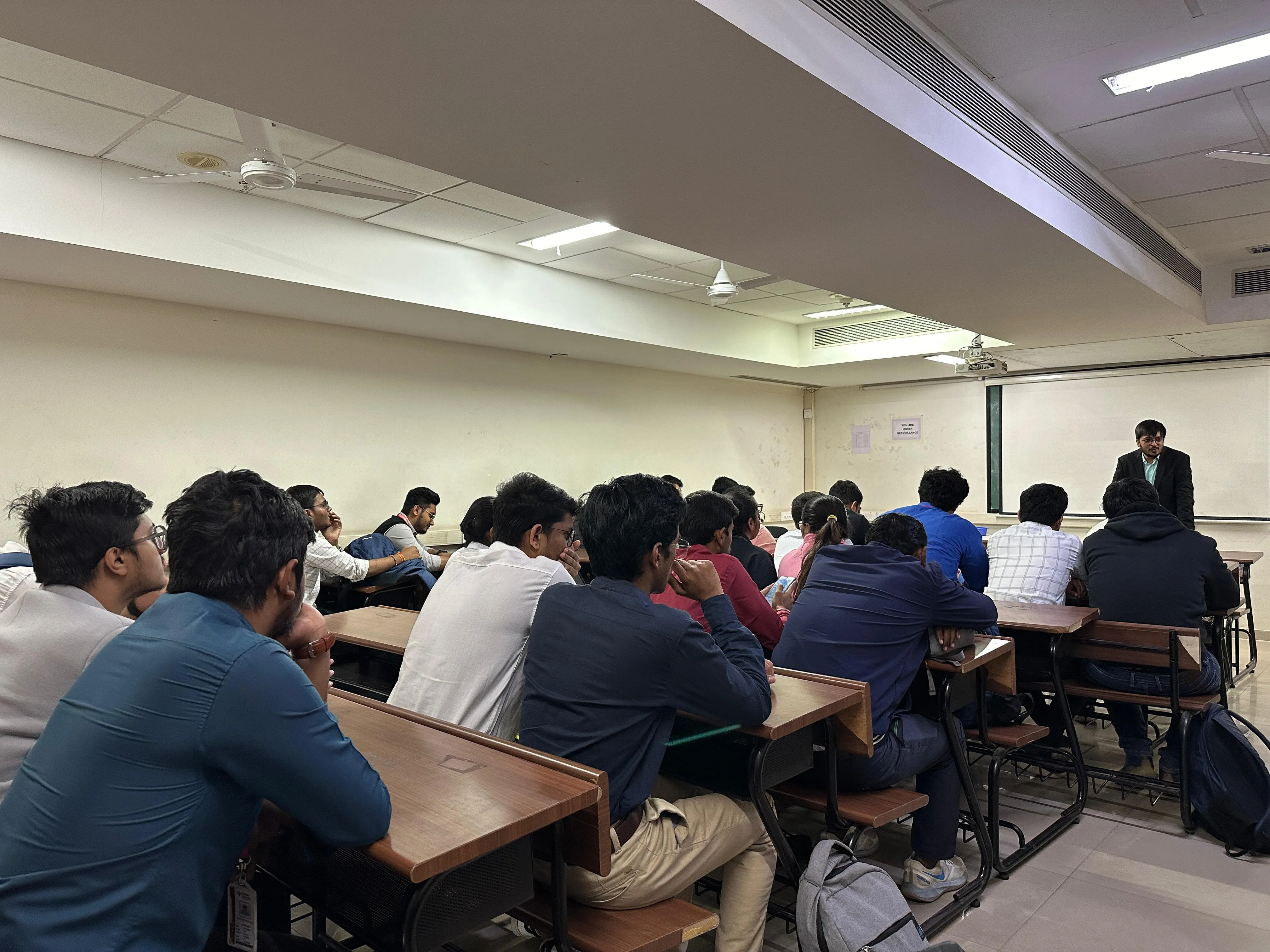
We are a licensed immigration practice with offices in Gujarat and in Canada, and we run free sessions on campus for students planning to study abroad.
Talk to us about a session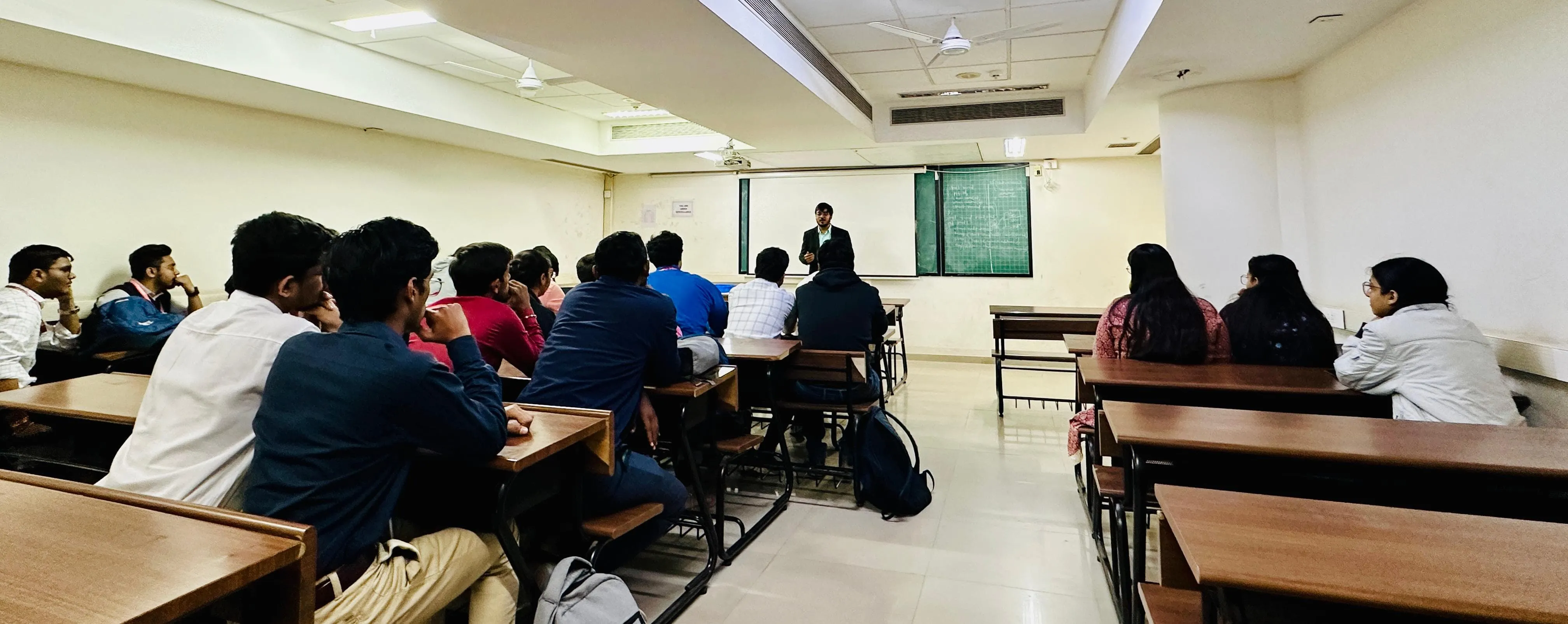
Licensed immigration consultant
R710507
Verify on the CICC public register- 40+ countries
- Practising since 2021
- 118+ cases handled
- 3 offices
Who we are
What we do, and who is accountable for it
We help students work out where to study, choose a course, and get their application prepared and filed. The same practice handles work permits, visitor visas and permanent residence for families, across 40+ countries.
Our founder, Jay Sharma, is licensed by Canada’s immigration regulator and works out of North Bay, Ontario. What that means in practice is that the firm answers to a public register rather than to a signboard: anyone can look up licence R710507 and see for themselves that it is real, before they trust us with a student.
The licence came first, in 2021. The Bhavnagar office opened in 2023 and Ahmedabad in 2026.


What we handle
- StudyUniversity shortlisting built around your actual career goals
- WorkAuthorized legal representation before the Canadian government
- VisitorEligibility assessed honestly before you spend anything on government fees
- ResidencePermanent residence applications, prepared end to end
- CoachingIELTS, PTE, TOEFL and CELPIP taught one to one, plus French and German
We prepare and file applications across 40+ countries. Jay is licensed to represent clients before Canada’s immigration authorities; everywhere else we prepare and check the application and the applicant files it themselves.
On your campus
What we would cover with your students
Running order1 to 2 hours
- 01
Spotting a fraud agent, and how to check a licence
Students are shown how to look up a consultant on a public register themselves, so they can check anyone who offers to handle their application. The same check works on us.
- 02
Choosing the country before the college
Every destination asks for something different, and the country a student picks shapes the cost, the entry requirements and what they are allowed to do after graduating. Choosing an institution first is how families end up holding an offer they cannot use.
- 03
Choosing a university and a course
What separates one institution from another, and how to read a university’s own published numbers rather than an agent’s summary of them.
- 04
What happens after the degree
Which countries let a graduate stay and work, what each of them asks for in return, and why that belongs in the decision at the start rather than in the final year.
- 05
Planning the journey, and when to start
The order the steps actually happen in, how long each one takes, and how far ahead a student in the first or second year needs to begin.
- 06
The myths, and what is actually true
The claims that circulate about guaranteed visas, jobs and settlement, checked against what the published rules say.
Everything we publish is free for your students to use, whether they ever speak to us or not. The guides and the country pages are open to anyone.
Already running
Where we have run this session
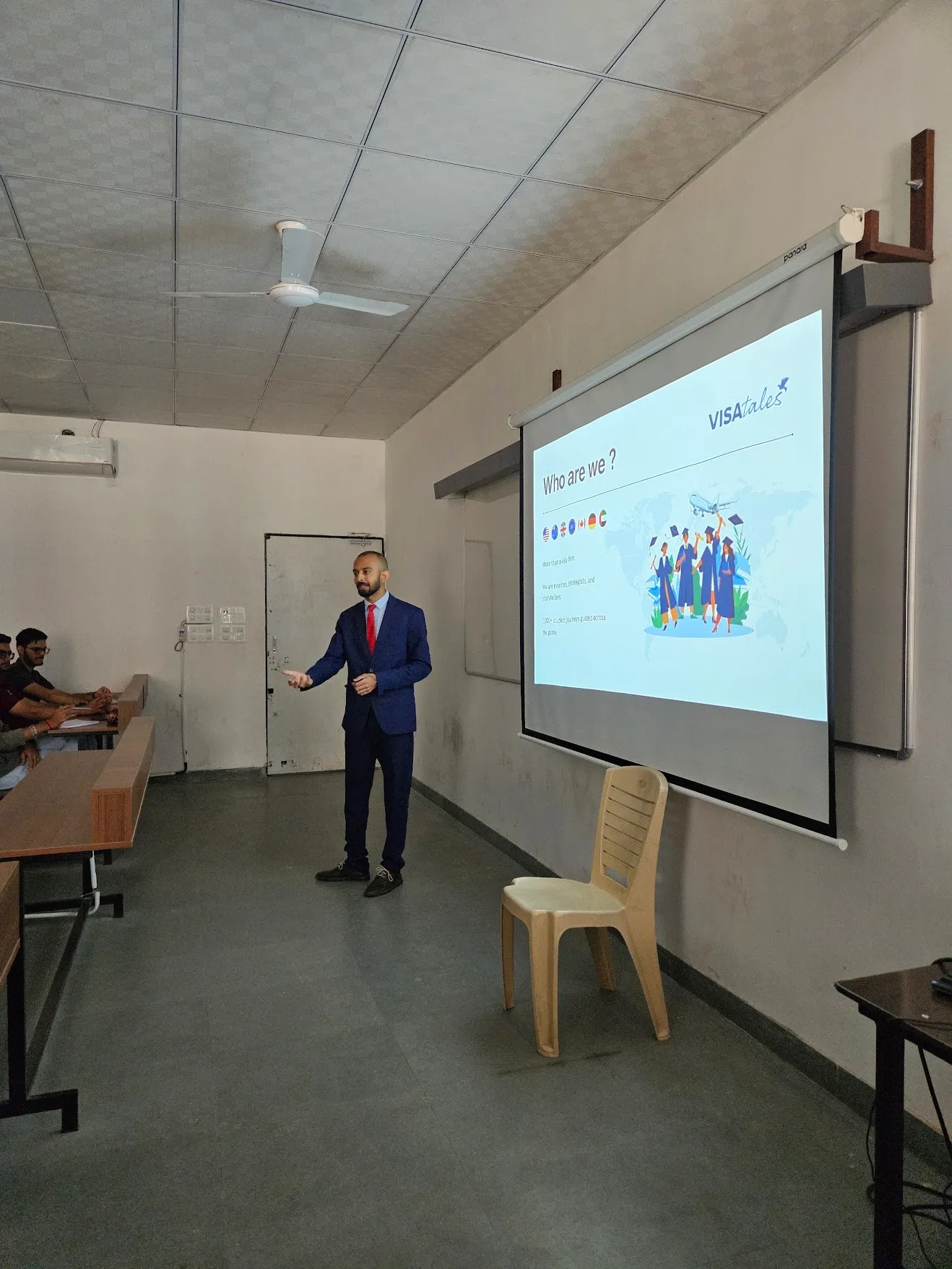
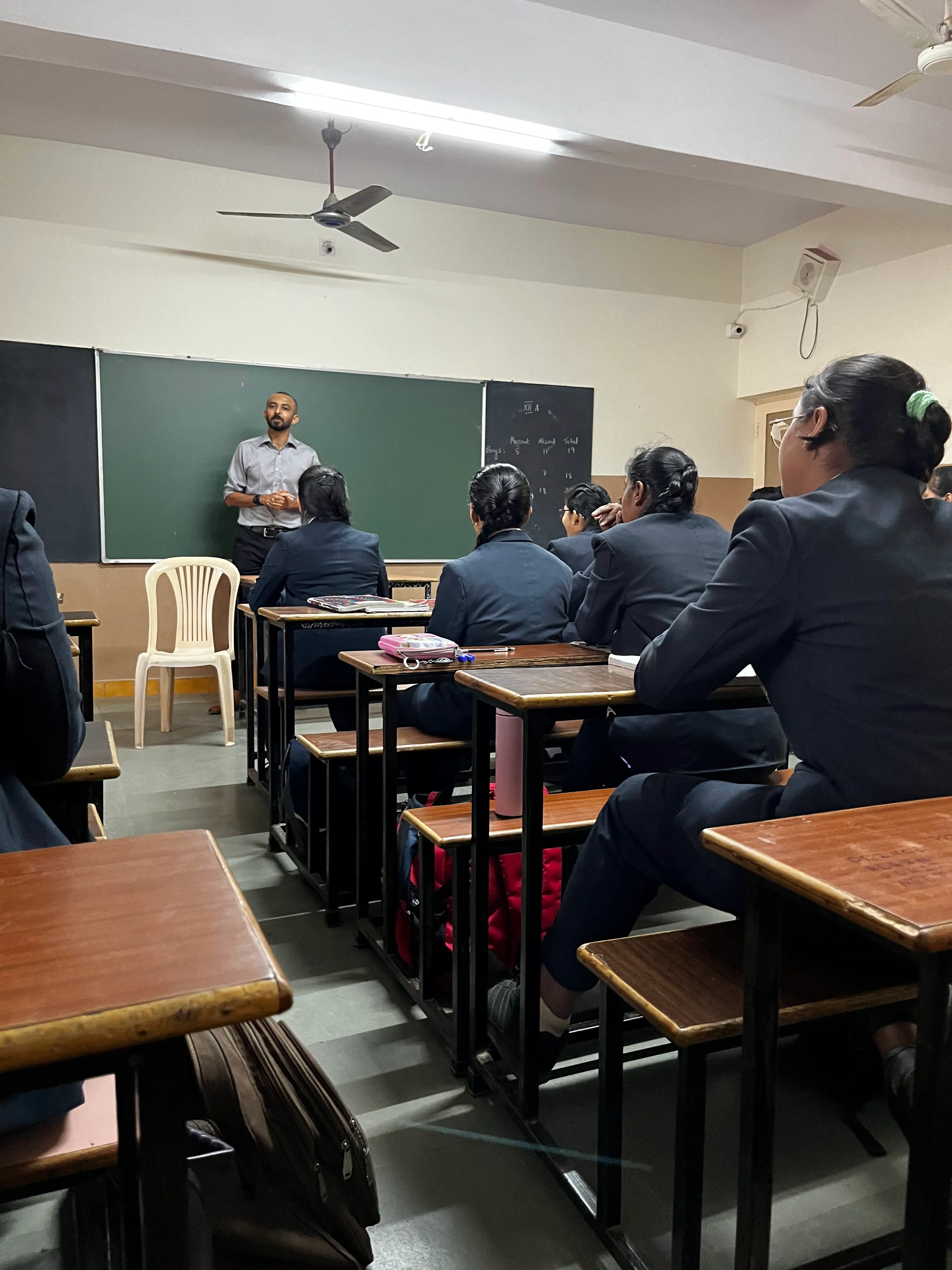
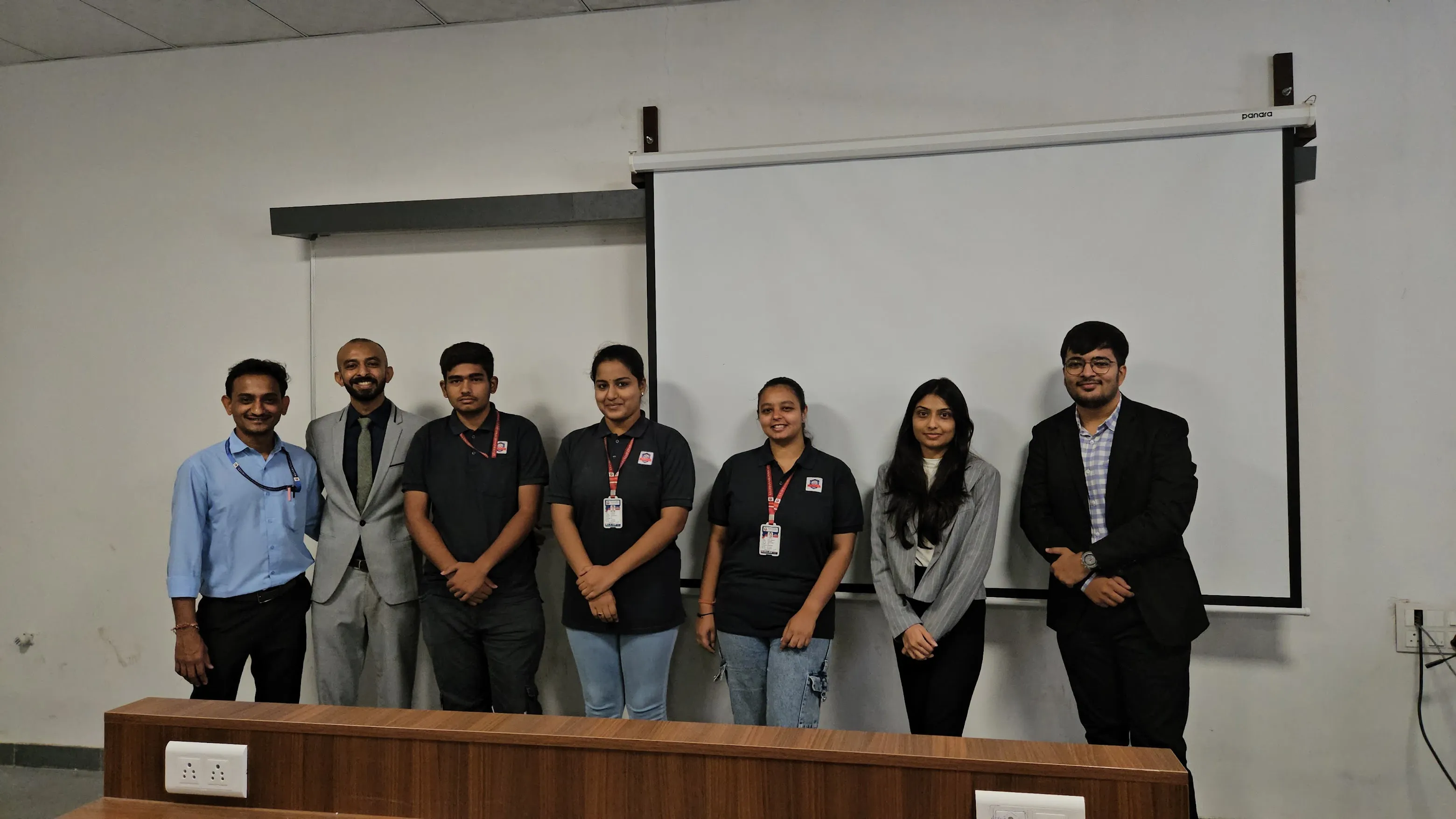
- Bhavnagar · Twice, plus a student expo
- Gyanmanjari Innovative University
- Ahmedabad campus
- Ganpat University
- Botad
- St. Xavier's School
- Bhavnagar and Botad
- Tuition institutes
How it works
There is no cost to the institution
- No selling from the stage
- No enquiry forms collected in the room
- No job placement
- No guaranteed outcomes
What we need from you
A hall, and someone to help us set up. We bring our own projector and everything else, and we travel anywhere in Gujarat. Tell us whether English or Gujarati suits your students and we will run it in that.
- Duration
- 1 to 2 hours
- Notice
- 15 days
- Group size
- No limit
- Language
- English or Gujarati
Questions
Do you travel outside Bhavnagar and Ahmedabad?
We run sessions anywhere in Gujarat. Our offices are in Bhavnagar and Ahmedabad, and we travel to the institution rather than asking students to come to us, which is the only arrangement that works for a session meant to reach a whole cohort. A talk that requires two hundred students to arrange transport is a talk most of them will miss. Distance has not been a reason to say no, and the towns we have travelled to are further from either office than most colleges asking would be. If you are somewhere that feels too far, ask anyway and we will tell you honestly whether we can make the date work. The only thing that occasionally rules out a request is the calendar rather than the map. A date a few weeks out is easier to fit than one next Tuesday.
Is the session really free?
The session costs the institution nothing. There is no fee, no travel charge and nothing for the college to approve or pay, which is why it needs no budget conversation and no procurement process before you can say yes to a date. That tends to be the first question, and it is a fair one, because most things offered free to a college turn out to have a payment somewhere in them. What we get out of it is not a fee. It is that students in Gujarat hear accurate information about visas from a licensed consultant once, before they meet somebody selling them a package, and some fraction of them remember where it came from later. That is the whole arrangement, and there is nothing else attached to it. No package is mentioned in the room and nothing is sold from the stage.
Do you collect students’ contact details during the session?
We do not collect students' contact details during the session. There are no enquiry forms in the room, nobody is asked for a phone number, and no sheet goes round for signatures. Anyone who wants to speak to us afterwards can reach us in their own time, through the website or the number on the last slide, which is a decision they make later and away from the pressure of a hall full of their classmates. This is the rule institutions ask about most, and it is the one we would keep even if nobody asked. A session that ends in a data-collection exercise is a sales pitch with a lecture in front of it, and the students can always tell. The talk is worth more to everybody, including us, if it is only a talk.
What if we only have thirty students?
There is no minimum number of students. The session works for a single class as well as for a full hall, and we have run it both ways rather than saying so theoretically. Thirty students in a room is in some respects the better version: people ask the questions they actually have instead of the ones they are willing to shout, and the half hour after the talk tends to be where the useful conversations happen. A hall of four hundred reaches more people and reaches each of them less. Neither is wrong and we are not choosing between them on your behalf. If the honest size of your audience is one department or one year group, ask for that rather than trying to fill a hall to justify the request. We would rather talk to the students who will actually use it.
Is this suitable for school students, or only college students?
It works for both. We have run this at a school, at two universities and at tuition institutes, so it is not a college-only format adapted at short notice. The material is the same in each case. What shifts is the emphasis, and it shifts with how close the students are to actually applying rather than with their age. With school students the useful part is the shape of the decision: which countries lead where, what a degree abroad costs in total, and why the answer to that changes what you study now. With final-year students it moves towards the application itself, the refusal grounds, the funds evidence and the timelines. Tell us who is in the room and we will pitch it there. Mixed audiences work too, and we will say at the start which parts apply to whom, so nobody sits through twenty minutes aimed at someone else.
How do we check that you are licensed?
Search licence number R710507 on the CICC public register, which is open to anyone and free. The register is the Canadian regulator's own record of who may represent clients before its immigration authorities, so it settles the question without your having to take our word for anything or accept a document we produced ourselves. It takes under a minute and returns the name, the status and the standing of the licence. We would encourage an institution to do this for anyone invited to speak to its students about going abroad, not only for us. A category like licensed immigration consultant cannot be checked by anybody. A number can, and the difference between the two is the whole reason the register exists. If a speaker cannot give an institution a number to check, that is worth noticing before the students hear them rather than afterwards.
Next step
If you would like to arrange a session
Offices
- Bhavnagar
- Ahmedabad
- North Bay, Canada